
Find UK beer.Compare beer prices.
Explore Beer Bible
Find beers, breweries and independent shops.
Independent breweries and beer shops. No supermarkets.Shop all beer
Discover the brewery
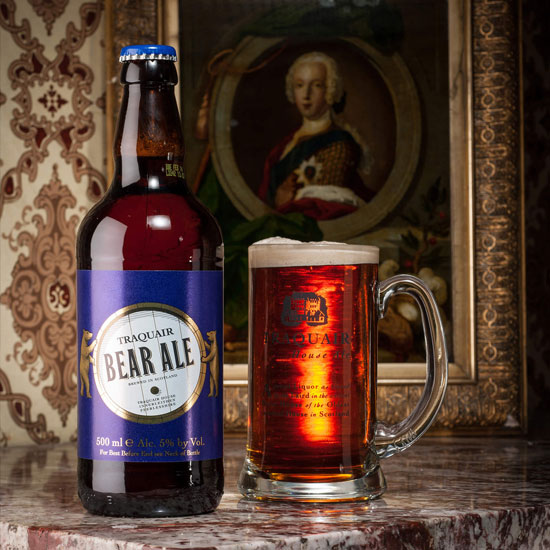
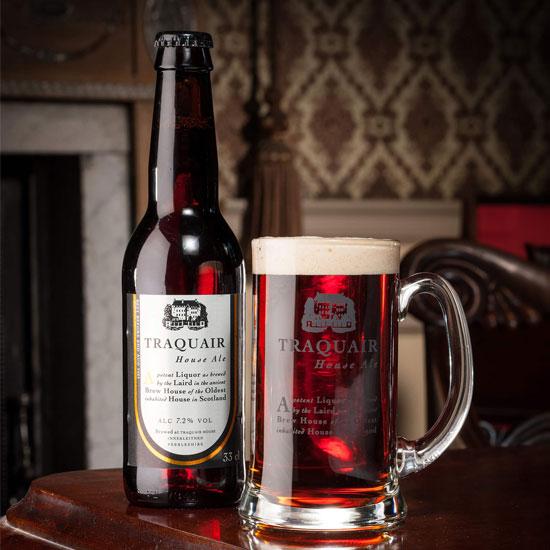
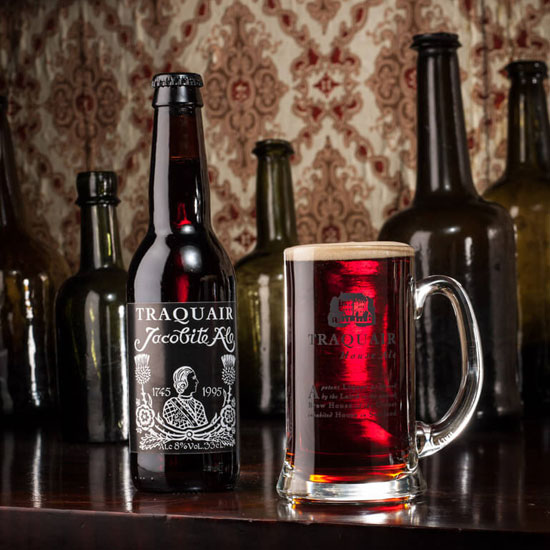
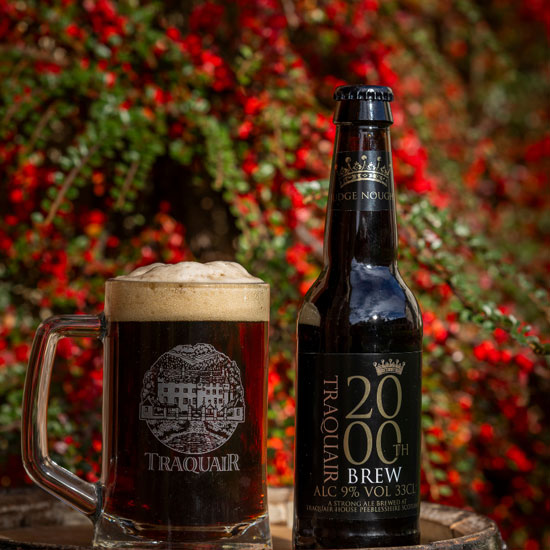
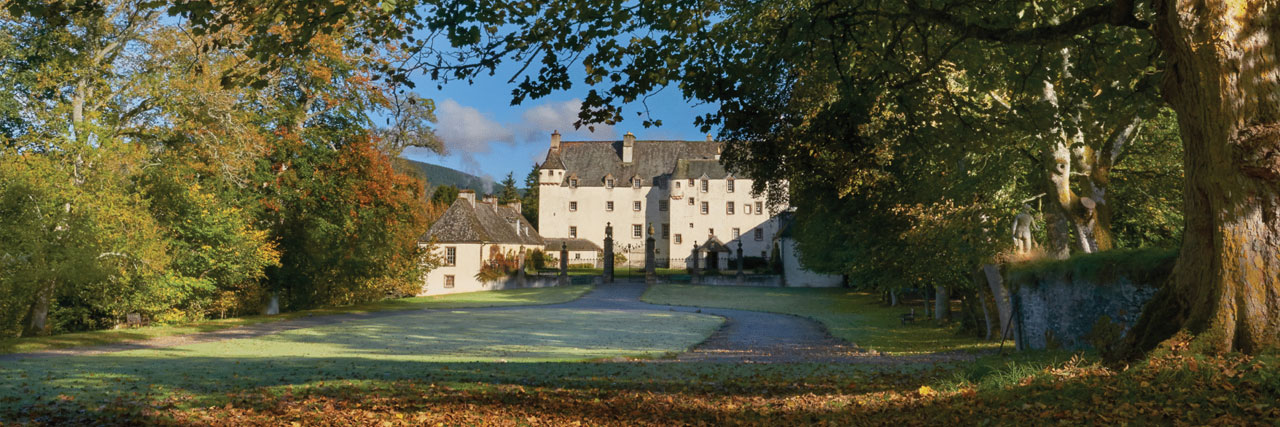
Historic Scottish Borders brewery housed within the early 18th-century brewhouse of Traquair House, Scotland's oldest inhabited house. Revived in 1965 by Peter Maxwell Stuart, the 20th Laird of Traquair, the brewery continues to produce traditional rich, dark Scottish ales using historic equipment, including a copper purchased in 1738 and centuries-old unlined oak fermentation vessels. Family-run under Catherine Maxwell Stuart since 1990, Traquair exports its distinctive ales internationally and offers pre-booked brewery tours and tastings.
Explore the range
Brewery story
Brewing at Traquair House dates back centuries, forming part of the domestic life of one of Scotland's most historic inhabited houses. Originally carried out in the kitchens, brewing moved to a dedicated brewhouse in the early 1700s, within a wing constructed in 1694. The brewery was equipped with a copper purchased in 1738 and wooden fermentation vessels made from Russian Memel oak. Like many country estates of the period, Traquair brewed ale for its household and workers, with beer sometimes forming part of servants' wages. Its output included strong dark ales and weaker, unhopped small beer. By the early 19th century, competition from commercial breweries made domestic production uneconomical, and the brewhouse was abandoned.
The brewery remained dormant for approximately 150 years, gradually disappearing beneath generations of unwanted furniture and household possessions. During preparations to open Traquair House more fully to visitors in the early 1960s, Peter Maxwell Stuart, the 20th Laird of Traquair, rediscovered the remarkably well-preserved brewing equipment. Working with Sandy Hunter of Belhaven Brewery, he researched the estate archives and developed a recipe inspired by traditional Scottish ale. Brewing resumed in 1965 using the historic equipment, including the original oak fermentation vessels. The first modern beers were bottled at Belhaven and sold at Traquair House, initially attracting limited interest despite their unusual heritage.
As appreciation for traditional real ale grew during the 1970s, Traquair began attracting recognition as a pioneering small brewery. Its rich, distinctive ales developed a following among enthusiasts interested in historic brewing methods and traditional Scottish beer styles. International interest followed, with the first exports reaching the United States in 1985 and subsequent shipments travelling to Japan and European markets. Following Peter Maxwell Stuart's death in 1990, his daughter Catherine Maxwell Stuart, the 21st Lady of Traquair, took responsibility for the brewery. Production facilities were expanded in 1994, allowing the business to develop its international reputation while retaining its small-scale, heritage-led approach.
Today, Traquair House Brewery continues to operate within its historic setting, producing approximately 1,000 hectolitres of beer annually according to its published brewery history. Its brewing process preserves remarkable elements of the original equipment, including the 1738 copper and unlined oak fermentation tuns, some more than two centuries old. The brewery uses water from a natural spring and continues to ferment its ales in oak, a practice it describes as unique among UK breweries. Around half of production is exported internationally, introducing drinkers around the world to traditional Scottish brewing. Visitors can also arrange guided brewery tours and tastings, offering a rare opportunity to experience centuries of brewing history within Traquair House.
Brewery tours
Traquair House is based in Scottish Borders, Scotland.

Brewery tours available
See behind the scenes and discover how the beer is made.
Traquair House, Innerleithen, Scottish Borders, EH44 6PW
Get directions