Discover the brewery
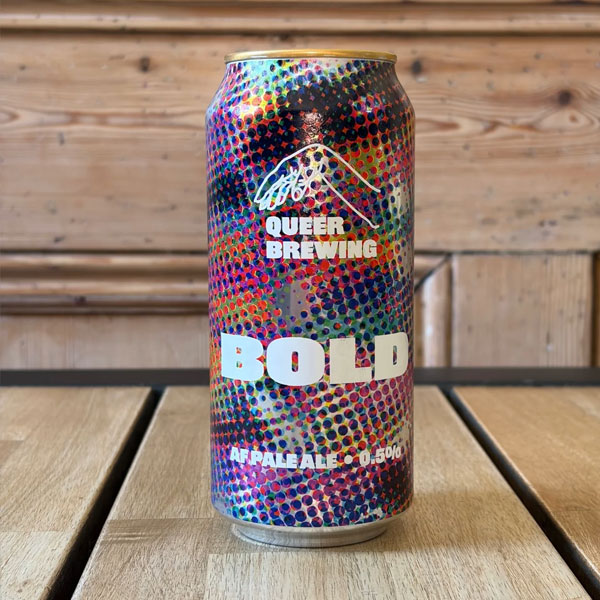
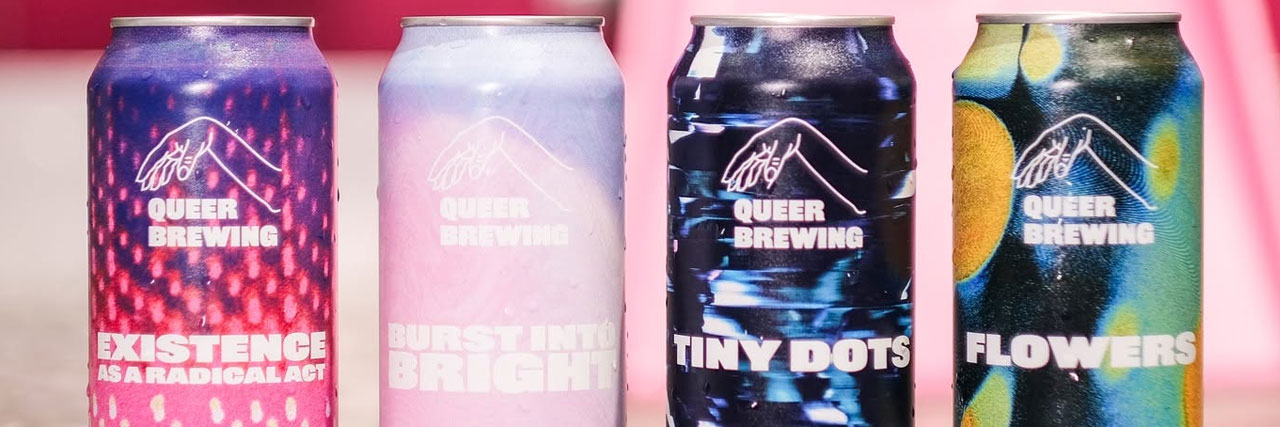
Queer Brewing was a London brewery founded by Lily Waite-Marsden in 2019 as the UK's first queer- and trans-owned brewery. Beginning as a collaboration project before moving through contract brewing and eventually establishing its own 30-hectolitre brewery in Leyton, Queer Brewing produced a diverse range of beers while championing LGBTQ+ visibility and raising money for queer charities.
Explore the range
£3.00from
2 retailers
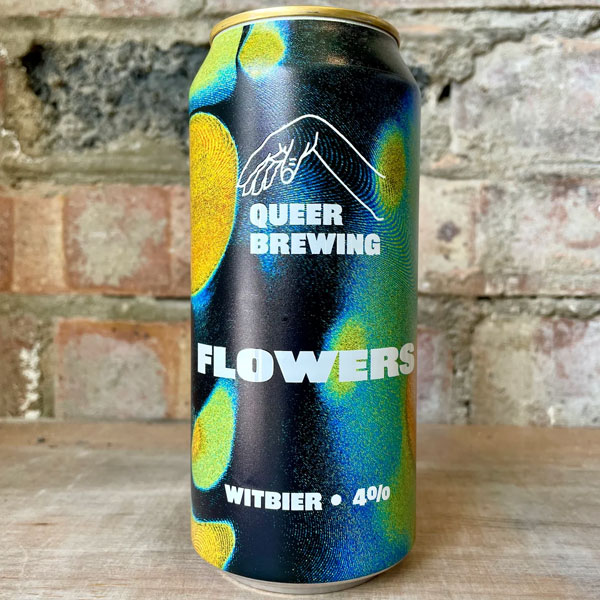
£4.80from
1 retailer

£2.00from
3 retailers
Brewery story
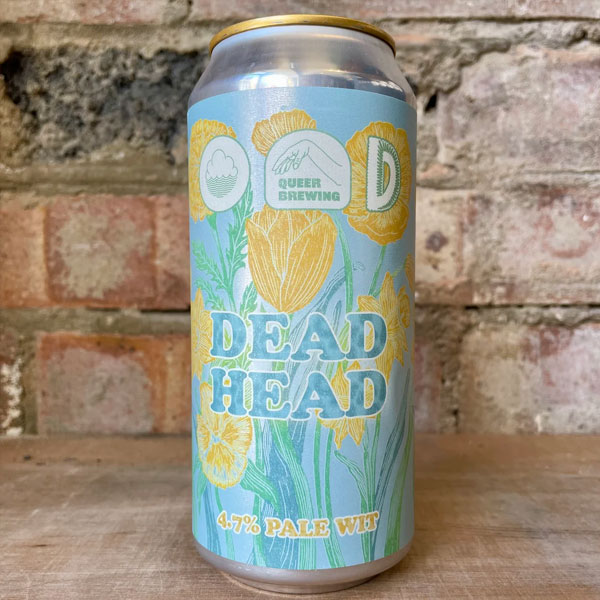
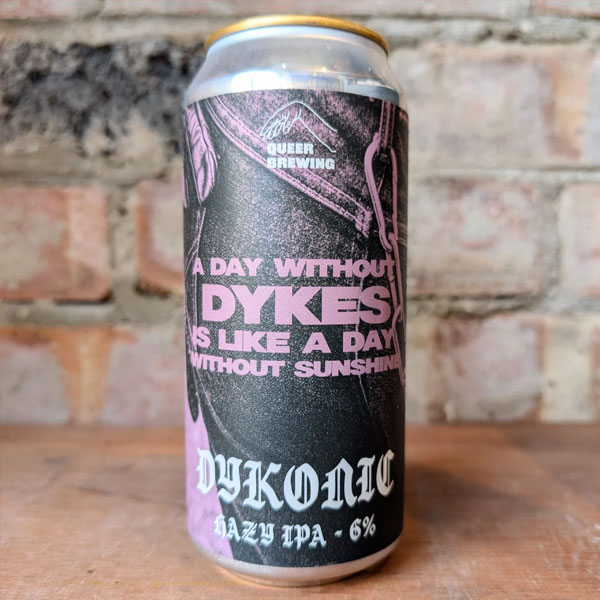
Queer Brewing was founded in 2019 by beer writer, editor, photographer and ceramicist Lily Waite-Marsden, becoming the UK's first queer- and trans-owned brewery. Created in response to a lack of LGBTQ+ representation within the beer industry, it began as a collaboration project working with breweries in the UK and internationally, using beer as a platform for greater queer visibility and representation.
From late 2020, Queer Brewing moved to contract production, with Lily developing recipes that were then brewed at friends' breweries. Alongside producing a wide range of beer styles with distinctive, evocative branding, the project raised tens of thousands of pounds for LGBTQ+ charities through its collaborations and beer sales. From 2024, the brewery committed to donating 10p from every pint and can sold.
In 2024, Queer Brewing decided to establish a permanent brewery of its own, taking over the unit next to its existing warehouse in Leyton, East London. The new brewery was equipped with a refurbished 30-hectolitre Gravity Systems brewhouse, six 30-hectolitre fermenters, a canning line and reverse-osmosis water treatment. With head brewer Andy Potter joining the team, Queer Brewing began producing beer from its own brewery in early 2025 after more than four years of contract brewing.
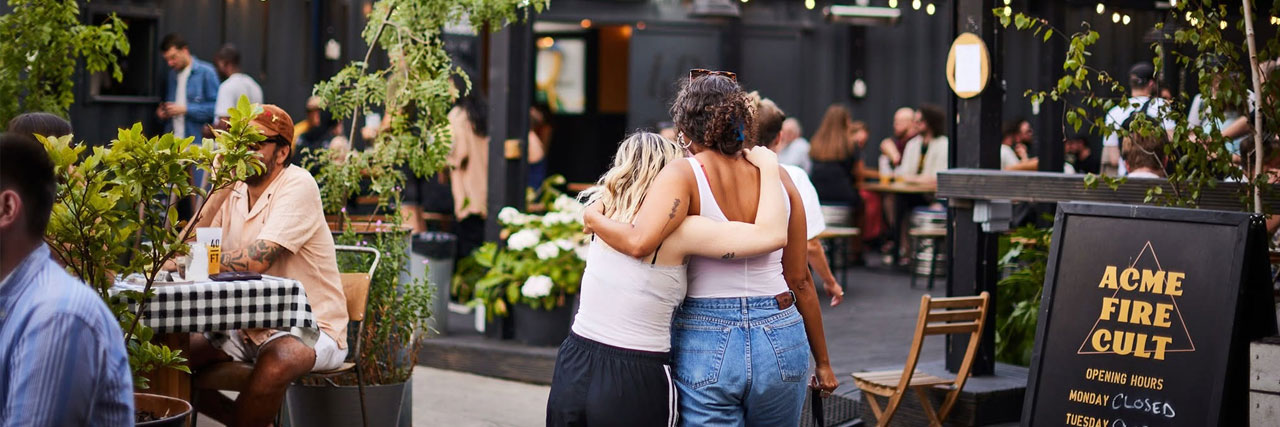
The Leyton brewery represented the culmination of a journey from collaboration project to fully independent producer, supported by a team that the brewery proudly described as 100% queer. Queer Brewing also operated its own taproom at the site, creating a dedicated home for its beers and community before the brewery ultimately closed.
Sources